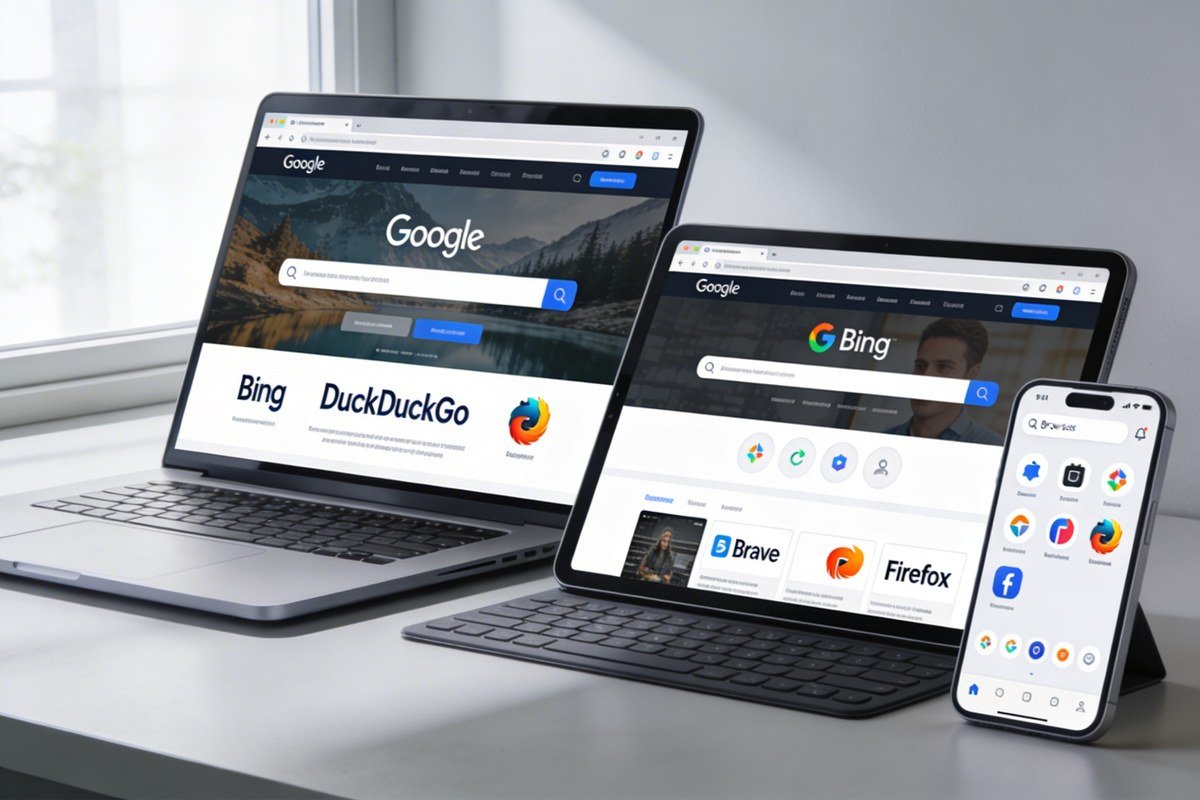
تحتاج العلامات التجارية الاستهلاكية إلى محركات بحث مثل جوجل لحملاتها الإعلانية. في حين أن جوجل هي البطل الذي لا جدال فيه في هذا المجال، فقد حان الوقت الآن لتنويع قنواتك الإعلانية للحصول على أفضل النتائج. هذا هو المكان الذي تظهر فيه محركات البحث Bing و DuckDuckGo أو Google Scholar. تعد محركات البحث والمتصفحات البديلة جزءًا لا يتجزأ من التسويق الرقمي. تختلف عن بعضها البعض من حيث عروضها وقاعدة مستخدميها. يمكن أن يساعد التعرف على هذه المنصات العلامات التجارية على استهداف شرائح محددة وتحسين عائد الاستثمار الإعلاني في النهاية. ing و DuckDuckGo أو Google Schola ing و DuckDuckGo أو Google Schola ing و DuckDuckGo أو Google Schola
مقدمة حول محركات البحث والمتصفحات البديلة
محركات البحث والمتصفحات البديلة هي أدوات أساسية في التسويق الرقمي، تختلف في خصائصها وجمهورها. فهم هذه المنصات يساعد العلامات التجارية على استهداف شرائح محددة بفعالية أكبر، مما يعزز من عائد الاستثمار الإعلاني.
في هذه المقالة، سنناقش DuckDuckGo و Google Scholar و Bing كأمثلة للمنصات البديلة التي توفر تجربة إعلانية مختلفة.
نظرة عامة على داك داك جو: محرك بحث يركز على الخصوصية
DuckDuckGo هو محرك بحث بديل معروف بسياسته الصارمة لعدم التتبع. نتيجة لذلك، يفضل الأشخاص الذين يهتمون بأمن بياناتهم DuckDuckGo على محركات البحث الأخرى. بعبارة أبسط، DuckDuckGo هو المكان المناسب للإعلانات القائمة على الخصوصية.
DuckDuckGo هو موطن للمستخدمين الذين يبحثون عن تجربة تصفح آمنة وخالية من التتبع. إذا كانت علامتك التجارية تلبي احتياجات جمهور مستهدف مماثل، فإن DuckDuckGo هو مكان جيد للبدء.
في SyntraChat، نقدم حلول الذكاء الاصطناعي الذكية للحملات الإعلانية. يمكنك استخدام منصتنا لاستهداف مستخدمي DuckDuckGo وتحقيق عائد استثمار أفضل.
فهم جوجل سكولار ودوره في البحث والإعلان
Google Scholar هو محرك بحث آخر من Google يقوم بفهرسة الأدبيات العلمية عبر مجموعة من تنسيقات النشر والتخصصات. بعبارة بسيطة، Google Scholar هو محرك البحث الأكاديمي الخاص بجوجل.
كعلامة تجارية استهلاكية، لا يمكنك عرض الإعلانات بنفس الطريقة التي تفعلها على جوجل. ومع ذلك، فإن عرض علامتك التجارية في نتائج البحث الأكاديمي يمكن أن يضيف مصداقية ويحسن رؤيتك الشاملة عبر الإنترنت.
يمكن لفريقنا في SyntraChat مساعدتك في وضع استراتيجية لحملة إعلانية مخصصة تستهدف جمهور Google Scholar وتحلل أنماط بحثهم، باستخدام حلول الذكاء الاصطناعي الذكية لدينا لإنشاء محتوى يتردد صداه لدى جمهور البحث وتحسين رؤيتك الأكاديمية.
بينغ: محرك البحث من مايكروسوفت ونظامه الإعلاني
Bing هو محرك البحث الخاص بشركة Microsoft. يمتلك حصة كبيرة في سوق محركات البحث ولديه قاعدة مستخدمين واسعة الانتشار. يمكن أن يكون الإعلان عن علامتك التجارية الاستهلاكية على Bing فكرة رائعة للوصول إلى قاعدة جماهيرية أكبر.
يوفر Bing منصة إعلانية حيث يمكنك إنشاء حملاتك وإدارتها. تختلف تنسيقات الإعلانات وخيارات الاستهداف على Bing إلى حد ما عن إعلانات Google. في بعض الحالات، تكون التكلفة وعائد الإنفاق الإعلاني (ROAS) أكثر تنافسية أيضًا.
في SyntraChat، نستخدم حلول الذكاء الاصطناعي لتحسين الحملات الإعلانية لعملائنا. يمكنك استخدام منصتنا لتحسين ميزانيات حملتك واستراتيجية الكلمات الرئيسية وإبداعات الإعلانات. يمكن لأدوات الذكاء الاصطناعي الذكية لدينا إنشاء إبداعات تلقائيًا لحملاتك الإعلانية ومساعدتك في توفير الوقت والجهد.
مقارنة بين داك داك جو، جوجل سكولار، وبينغ للإعلان عن العلامات التجارية
كل منصة تقدم مزايا فريدة: DuckDuckGo يبرز في الخصوصية، Google Scholar في التخصص الأكاديمي، وBing في التنوع والحجم.
- DuckDuckGo: جمهور مهتم بالخصوصية، إعلانات محدودة ولكن فعالة.
- Google Scholar: فرص غير مباشرة لتعزيز العلامة التجارية عبر المحتوى الأكاديمي.
- Bing: منصة إعلانية متكاملة مع استهداف واسع وتكلفة تنافسية.
نحن في SyntraChat نوفر إدارة متكاملة للحملات عبر هذه المنصات، مع تحسين مستمر لضمان أفضل عائد.
كيف تعزز منصة SyntraChat المدعومة بالذكاء الاصطناعي أداء الإعلانات عبر محركات البحث
منصتنا تعتمد على الذكاء الاصطناعي لتحليل البيانات في الوقت الحقيقي، مما يسمح بتعديل الحملات بسرعة وفعالية.
نقدم أدوات لتوليد إعلانات إبداعية تلقائيًا، وتبسيط سير العمل الإعلاني، مما يوفر الوقت والجهد.
على سبيل المثال، يمكنك استخدام منصتنا لتحسين حملة إعلانية على DuckDuckGo تستهدف المستخدمين الذين يبحثون عن تجربة تصفح آمنة أو تخصيص المحتوى الخاص بك لزيادة الرؤية الأكاديمية على Google Scholar. وبالمثل، يمكننا مساعدتك في تحسين ميزانية حملتك على Bing للحصول على عوائد أفضل.
“الذكاء الاصطناعي هو السر لأداء إعلاني فائق عبر محركات بحث متعددة.”
فريق SyntraChat
يمكنك التسجيل في منصتنا اليوم وتجربة حلول الذكاء الاصطناعي الذكية بنفسك عبر منصة SyntraChat والاستفادة من حلولنا الذكية لتعزيز حملاتكم الإعلانية.
أفضل الممارسات للإعلان على محركات البحث والمتصفحات البديلة
- احترام خصوصية المستخدمين عند الإعلان على منصات مثل DuckDuckGo.
- تخصيص المحتوى الإعلاني ليناسب جمهور كل منصة.
- استخدام أدوات الذكاء الاصطناعي لتحليل الأداء وتحسين الحملات.
- تنويع القنوات الإعلانية لتقليل الاعتماد على منصة واحدة.
- مراقبة مستمرة للنتائج وتعديل الاستراتيجيات بناءً على البيانات.
باتباع هذه الممارسات، يمكن للعلامات التجارية تحقيق نتائج أفضل وزيادة عائد الاستثمار.
الخاتمة والخطوات القادمة للعلامات التجارية الاستهلاكية
تنويع استراتيجيات الإعلان عبر محركات البحث البديلة مثل Bing و DuckDuckGo و Google Scholar يفتح آفاقًا جديدة للعلامات التجارية.
في SyntraChat، يمكننا مساعدتك في تحسين حملاتك الإعلانية بفعالية وتحقيق النتائج المرجوة في أي وقت من الأوقات.
سجل في منصتنا اليوم واكتشف كيف يمكننا مساعدة علامتك التجارية على النمو عبر DuckDuckGo و Google Scholar و Bing.